Featured Post

FrontPage صفحہ اول

Salaam Pakistan  is one of projects of  "SalaamOne Network" , to provide information and intellectual resource with a view to...

Showing posts with label Afghanistan. Show all posts

Pakistan’s Quagmire پاکستان - امن اور ترقی کا راستہ کیسے ؟


آج کے حالات میں مسلم معاشرہ نظریاتی  ابتری اور انحطاط کا شکار ہے. مادہ پرستی، دہشت گردی، عدم برداشت، اور جہالت انسانیت، امن اور مذھب کے لیے خطرہ بن چکے ہیں. ان حالات میں صاحب علم و ذی فہم حضرات سے ممکنہ حل کی توقع کی جا سکتی ہے. ہمارا مقصد ہے کہ آپ کی توجہ ضروری حل پذیر مسائل کی طرف مبذول کرنا ہے تاکہ جلد حل تلاش کیا جا سکے. آپ کی توجہ اور مدد سے ہم کوشش کر سکتے ہیں کہ معاشرہ کو اس  گہری دلدل سے نکال سکیں. مکمل خط اس لنک پر پڑھیں : http://goo.gl/y2VWNE
Pakistan is in a state of turmoil, in order to get out of this quagmire some basic issues need to be settled. Ideologically the Pakistani society can be divided in to three main groups: <<Click to read in English as webDoc>>

پاکستان کی ترقی ، خوشحالی اور امن کے لییے کچھ بنیادی معاملات طے کرنا ضروری ھیں. اس وقت پاکستانی سوسائٹی ، معاشره فکری طورپرتین بڑے حصوں تقسیم ہو چکا ہے 

ایک طرف  اشرافیہ , لبرل طبقہ ہے جو مذہب کوہر شخص کا ذاتی معاملہ سمجھتا ہے،ان کے مطابق مذہب، اسلام کا  قانون، سوسائٹی سے کوئی تعلق نہیں . مذہیب عبادت گاہوں تک محدود ہو.کچھ معتدل لوگ اقلیت میں  ہیں. یہ  اشرافیہ لبرل طبقہ  اگر چہ تعداد میں قلیل ہے مگربہت طاقتور ہے .اشرافیہ کل آبادی کا ایک فیصد سے بھی کم ہے مگر پورے یه پاکستان کی پچاس فیصد سے زیادہ دولت پر قابض ہیں. ٩٩ فیصد پاکستانی ٥٠٠ ڈالر اوسط سالانہ آمدنی  پرغربت کی زندگی بسر کرنے پر مجبور ہیں.   حکومت ،معشیت،جاگیریں، کاروبار، بیورو کریسی، فوج، سیاست دان، میڈیا سب  کچھ ان کے قبضہ  اور کنٹرول میں ہے. ان میں کچھ لوگ راے  عامہ ھموار کرنے کے لیے مذہب اسلام کا نام استمال کرتے ہیں. یہ صرف دکھا وہ ہے. طاقت اور پیسے کے زور پر یہ مخالف کوکچل دیتے ہیں 
یہاں اشرافیہ سے مراد ان کے ھمدرد ، فائدہ اٹھانے والے مدد گار اور دوسرے طبقات کے امیدوار بھی شامل ہیں 
کسی صورت میں یہ طاقت چھوڑنے کو تیار نہیں ، یہ مختلف بھیس بدل کر پاور میں رہتے ہیں
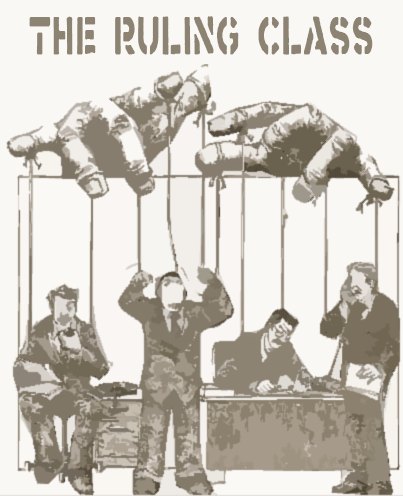
ان میں کچھ شدت پسند لوگ بھی ہیں جو مذھبی یا مذہب کی طرف مائل لوگوں کوچاہے وہ معتدل مزاج ہوں، ان کو  جاہل، دقیانوسی ، کم عقل، قابل  نفرت سمجھتے ہیں. ان کے خیال میں تمام مصیبتوں کی بنیاد مذہب اور مذھبی لوگ ہیں. ان کو لبرل فاشسٹ بھی کہا جا سکتا ہے
مذہب سے ان کی نفرت کی دو بڑی ممکنہ وجوھات ہو سکتی ھیں. اول: مغربی ترقی اور ثقافت سے مرعوب. دوئم: مذہبی لوگوں کی قدامت پسندی، جدید دنیا وی ترقی،سائنس ٹیکنالوجی سے بیزاری، صرف عبادات پر ترجیح، مکالمہ کی بجاے اپنی مخصوص فکراور نکتہ نظرکو مذہب کی آڑ میں دوسروں پر زبردستی نافذ کرنے کی کوشس اور اس میں شدت پسندی، دہشت گردی کے استعمال کو جائز سمجھنا. اگر چہ مذہبی لوگوں کی اکثریت معتدل مزاج اور امن پسند ھے


 دوسری طرف خاموش اکثریت ہے

 "اور اسی طرح ہم نے تم کو امتِ معتدل بنایا ہے، تاکہ تم لوگوں پر گواہ بنو اور رسول تم پر گواہ بنیں۔" - قرآن ٢:١٤٣ 

اکثریت اسلام کو مکمل ضابطہ حیات کی حیثیت سے تمام جگہ شریعت نافذ کرنا چاہتے ہیں . اور اس کو قیام پاکستان کا مقصد سمجھتے ہیں
ان میں بہت سے امن پسند  معتدل علماء اکرام اور سوسائٹی کے تمام  طبقات کے معتدل  لوگ شامل ہیں. جو دہشت گردی کے خلاف ہیں بہت سے اپنی زندگی اس نیک مقصد میں قربان کر کہ شہید ہو گئے . مگر ان کی آواز دہشت گردی اور لبرل لوگوں کے درمیان گم جاتی ہے . کیوں کہ وہ انصاف اور عوام کے استحصال کے بھی خلاف حق کی آواز بلند کرتے ہیں 

 عوام اسلام سے جذباتی لگاؤ رکھتے ہیں اور مرنے مارنے کو تیار ہو جاتے ہیں مگر عام طور پر ذاتی زندگی میں اسلام کی اعلی  اقدار سے دور ہیں . جھوٹ دھوکہ ، نا انصافی ،کرپتشن کا دور دورہ ہے. شریعت کا نفاذ اپنے پر نہیں کرتے مگر دوسروں پر نافذ کرنا چاہتے ہیں. عبادات پر زور ہے مگر حقوق العباد پس پشت ہیں. ان کا مسلہ معاشی اور معاشرتی انصاف اور امن ہے جو اسلامی نظام کے زریعے حاصل کرنے کی امید کر سکتے ہیں.


تیسری تعارف اسلامی شدت پسند دہشت گرد اور ان کے خاموش ہمدرد 

   عوام کی  اکثریت شدت پسندی کے بجاے پر امن طریقے سے 
شریعت کا نفاذ چاہتے ہیں . جبکہ کچھ شدت پسند لوگ اور گروہ جیسے طالبان ، طاقت کے زور پر اپنی مرضی کی شریعت نافذ کرنا چاہتے ہیں . اس کے لیے وھ دہشت گردی اور قتل و غارت کو جائزاسلامی طریقہ سمجھتے ہیں . اس سے تمام قابل زکر علماء اوراکثرمذہبی جماعتیں بظاھر اختلاف  کرتے ہیں . مگر خاموشی سے اںدورن خانہ ان کے حمایت کرتے  معلوم ہوتے ہیں


 امام مسجد , خطیب صاحبان کا سوسائٹی میں بہت اثر ہے . جمعہ کے خطبات ور مذھبی اجتما ع میں وھ جو چاہیں تقریر کریں . کسی کی جرات نہیں کہ اختلاف  کر سکے.اکثر خطیب صاحبان دہشت گردوں کی خاموش حمایت کرتے معلوم ہوتے ہیں ان کی مذمت نہیں کرتے ، گول مول بات کرتے ہیں. شائد ان کا
 خیال ھوکہ اس طرح وہ بھی  پاور گیم کا حصہ بن جایں گے

 تمام حکمران فوجی یا سول جمہوری, عوام کے استحصال میں ملوث ہیں ، کرپشن نا انصافی نے عوام کو بدحال کر دیا ہے . وہ امید سے ہر ایسے لوگوں کے پیچھے چلنے کو تیار ہیں جو ان کو انصاف خوشحالی کی امید دکھاتا ہے . مذہبی شدت پسند لوگوں کو وہ ردعمل میں امید لگاتے ہیں . جیسے پرانے لوگ کہتے ہیں کیہ انگریز کا دور اچھا تھا قانون کی حکمرانی تھی وغیرہ وغیرہ . مذہبی لوگ اپنے آپ کو اس لیڈرشپ کے خلا کو پر کرنے کا اهل سمجھتے ہیں. پاور طاقت کا اپنا مزہ ہوتا ہے . ان میں کم لوگ ادراک رکھتے ہیں. کچھ نیک نیت ہیں مگر یہ ان کے بس کا کام نہیں

سوسائٹی فکری طور پر  تقسیم ہو چکی ہے
ایسے حالات میں ضروری ہے کہ کنفیوژن کو دور کیا جائے تاکہ اکثریت ایک نقطہ  نظر پر متفق ہو  جائے. اور پھر تمام توانایوں کو مرکوز کرکہ عظیم مقاصد ، امن . خوشحالی . ترقی کی طرف رواں دواں ہوں
یاد رھے کہ الله تعالیٰ نے مسلمانوں کو تین اقسام میں تقسیم فرمایا ہے: 

ثُمَّ أَوْرَثْنَا الْكِتَابَ الَّذِينَ اصْطَفَيْنَا مِنْ عِبَادِنَا ۖ فَمِنْهُمْ ظَالِمٌ لِّنَفْسِهِ وَمِنْهُم  مُّقْتَصِدٌ وَمِنْهُمْ سَابِقٌ بِالْخَيْرَاتِ بِإِذْنِ اللَّـهِ ۚ ذَٰلِكَ هُوَ الْفَضْلُ الْكَبِيرُ سورة فاطر٣٢ 

پھر ہم نے اس کتاب (قرآن) کا وارث ایسے لوگوں کو بنایا جنہیں ہم نے اپنے بندوں میں سے چُن لیا (یعنی امّتِ محمدیہ صلی اللہ علیہ وآلہ وسلم کو)، سو ان میں سے اپنی جان پر ظلم کرنے والے بھی ہیں، اور ان میں سے درمیان میں رہنے والے بھی ہیں، اور ان میں سے اﷲ کے حکم سے نیکیوں میں آگے بڑھ جانے والے بھی ہیں، یہی (آگے نکل کر کامل ہو جانا ہی) بڑا فضل ہے،  
 اگر ہم کچھ بنیادی سوالات کا جواب موجودہ تناظرمیں قرآن سنت کی  روشنی میں معلوم کر لیں. ان پر قومی مباحثہ ہو جس میںآپ, میڈیا ، دانشور ، مذہبی سکالرز علماء ، سیاسی مفکرین ، سول سوسائٹی ، فوجی ماہرین ،  قانون ، خارجہ امور کے ماہرین اور تمام دوسرے متعلقہ ماہرین  اور عوام حصہ لیں . پھر جس پر سب یا اکثریت متفق ہو ان پر پھر ڈٹ کرعمل کریں تو پاکستان ایک ترقی یافتہ باعزت ملک، قوم  بن سکتا ہے  اور کچھ نہیں تو کم از کم عوام میں ایک فکری،  شعوری آگاہی پیدا ہو جائے گی . عوام دھوکہ سے بچ جائیں گے 
کچھ سوالات بظاھر معمولی معلوم ہوتے ہیں مگر گہرے اثرات رکھتے ہیں. 

 :بنیادی مکالمہ کےسوال درج ذیل ہیں 
انسان کا کیا مقصد حیات ہے؟
پاکستان بنانے کا مقصد ؟
. متفقہ آیین پاکستان  جو الله کی حاکمیت اعلی کا اقرار کرتا ہے اور  قرآن سنت کو اول قرار دے, کیا  اس کا مکمل انکار درست ہے ؟ 
کیا اسلامی جمہوریت  جس میں حاکمیت الله کی اور قانون شریعت  کا ہو غیر اسلامی ہے ؟
خلافت میں اگر خلیفہ منتخب ہو گا تو پھر اسلامی جمہوریت میں کیا فرق ہے ؟  
آیین فقط قرار داد مقاصد شامل کرنے سے اسلامی نہیں بنتا اس پر عمل درآمد بھی ہو؟
اسلامی نظریاتی کونسل فقط ایک  سفارشی ادارہ ہے . اس کی تشکیل نو اور اختیارات بھی ہونا چاہے ؟
 اگر موجودہ آیین اور جمہوریت اسلامی نہیں تو متبادل نظام کیا ہے؟ اس کو جمہوری طریقے سے نافذ کریں گے یا ڈکٹیٹر شپ سے ، کیا یہ سب کو قبول ہو گا ؟ 
عام حالات میں اشرافیہ کواگر ختم نہیں تو کم از کم مجبور کیا جا سکتا ہے کہ وہ عوامی امنگوں کا خیال کرتے ہوۓ امن، خوشحالی اور ترقی کے اقدام اٹھاے. جب اس کو معلوم ہو کہ اس میں اشرافیہ کی اپنی سروائیول اور ان کا اپنا بھی فائدہ ہے تو وہ کچھ گنجائش دے گی. دہشت گرد اس میں کامیاب ہوتے نظر آتے ہیں.  اسے کیا اقدام کئے جائیں جو اشرافیہ کوعوام کے فائدہ میں رویہ تبدیل کرنے پر مجبور کرے؟ 
 آیین کے مطابق جمہوری طریقے سے حکومت شوری پارلیمنٹ کا انتخاب سیکشن 62 ، 63 کے سختی سے نفاذ سے قبول ہے  یا جس کی لاٹھی اس کی بھینس ؟
پاکستان میں نفاذ شریعت کی تعریف اجماع جمہور کے مذہب اسلام  کی ہو گی یا اقلیت شیعہ ، دیوبندی، اہل  حدیث ، تکفیری ، خوارج ، کے مطابق ؟
  اسلامی ریاست میں  چند افراد کے نظریے کی شریعت کے نفاذ کے نام پر بغاوت اور جنگ قتال جائز ہے ؟
 کیا اقوام متحدہ کے چارٹر پر دستخط کے بعد "دار-الحرب " اور "دارلسلام "  کا قدیم اجتہادی نظریہ ختم ہو کر دنیا اب "دار-الامن " ہے علاوہ ان علاقوں کے جن پر دوسرے لوگ  قابض ہیں؟
 کسی تبدیلی کی صورت میں حکومت پاکستان کے ماضی میں کئے گیے بین الاقوامی میثاق اور معاہدوں کی پاسداری کی کیا اہمیت اور سٹیٹس ہوگا ؟
کیا  حکومت پاکستان دنیا میں مسلم مقبوضہ علاقوں کی آزادی کے لیے یا کسی اور وجہ سے اخلاقی ، مالی امداد یا جہاد  قتال  کا  فیصلہ کرے گی، یا گروہ ، افراد یا علماء کریں گے یا حکومت سب کے مشورے سے کرے گی ؟ اسی صورت میں بین الاقوامی معاہد و ن کی کییا حیثیت ہو گی ؟ 
غیر مسلمان اقوام سے عام تعلقات  ،تعلیمی . جدید ٹیکنالوجی کا حصول ، تبلیغی، اسلامی دعوت , تجارتی اور دفاعی معاہدے، جدید اسلحہ کا حصول اپنے فائدے کے لیے  ممنوع ہے یا جائز ؟
کیا بین الاقوامی سرحدوں کا احترم ہو گا یا ساری زمین الله کی ہے کوئی سرحد نہیں ہو گی ؟
کیا پاکستان ساری دنیا سے جنگ کرے گا اور تباہ و برباد ہو جائے گا ؟
حکومت پاکستان موجودہ نواز شریف  اور سابقہ حکمران  مشرف،  زرداری تمام امریکہ کی پٹھو  ہیں جوامریکا کی غلام ہیں . وہ سب اس کا انکار کرتے ہیں . اس دعوے کی حقیقت کیسے معلوم ہو گی ؟
 کیا حکومت  کے خلاف اس قسم کے الزمات پر بغاوت جائز ہے ؟
کیا جو  عوام بغاوت نہیں کرتے وہ کیا حکومت کے ساتھی ہیں ، مرتد ہیں سب واجب قتل ہیں ، اور جہنمی ہیں . ان کو مارنا ثواب ہے ؟
 انسانی حقوق کیا ہیں ؟ یا انسانی حقوق وہ ہیں جو حکومت وقت دے ؟
کیا پاکستان میں غیر مسلمانوں کے لیے جگہ نہیں اور یہ سب واجب قتل ہیں ؟
کفار ملکوں میں مسلمانوں پر جوابا " ظلم کا کون ذمہ دار ہوگا ؟
پاکستان میں غیر مسلم اقلیت  کے برابر حقوق "میثاق مدینہ" اور آیین کے مطابق  یا کچھ اور ؟
ا قلیت کی مذہبی آزادی، عبادت کا حق اور چرچ ، مندر گردواروں کی حفاظت یا تباہی ؟
 اختلاف رائے کا حق ہو گا . ظالم حکمران کیسے تبدیل کیا جا سکے گا ؟
ریاست میں گروہ ، جتھوں اور پرائیویٹ ملیشیا  کی تشکیل کی اجازت ہو گی ؟ ان کو کنٹرول کون کرے گا ؟
 کیا امر با المعروف نہی عن المنکر ، (نیکی کی ترغیب اور برائی سے اجتناب ) کے لیے حکومت ، افراد، مذہبی اور سوشل تنظیموں کے طریقہ کار اور دائرہ اختیار کو طے کرنے کی ضرورت ہے؟
سماجی اوراخلاقی برایوں نے معاشرے کو تباہی کے دھانے پر کھڑا کر دیا ہے. اس ضمن میں حکومت، افراد اورمذہبی اور سوشل تنظیموں کی کوششوں میں ربط کی ضرورت اور طریقہ کار؟   
کیا دینی مذہبی تعلیم پر حکومت کا کسی حد تک کنٹرول ہو؟  نصاب کو جدید تقاضوں کے مطابق ڈھالا جانے . مدارس کے طلبا دین کے ساتھ دنیاوی ، سائنس کی تعلیم حاصل کریں  مزید امام مسجد کے علاوہ دوسرے کام حصول روزگار کے لیے کر سکیں؟
کیا عوام کا دشت گردی خودکش حملوں سے قتال جائز ہے؟   
فوج، پولیس اور دوسرے قومی دفاعی ادارے اور ان کے افراد مساجد ، گرجوں عوامی اجتماع کی جگہوں پر  طالبان کے خود کش حملوں اور دہشت گردی کو روکیں یا نہیں؟
عوام کی جان اور پراپرٹی کی حفاظت کون کرے گا؟ 

اہل علم ، دانشور حضرات اور تمام عوام الناس سے قرآن ، سنّت ، تاریخی حقائق  اورموجودہ حالات کے تناظر میں  رہنمائی کی  درخواست ہے . اس پیغام کو پھیلائیں تاکہ ایک قومی مکالمے کا آغاز ہو . ہم مل کر ان مسائل کا حل پا سکیں . اور کچھ نہیں تو کم از کم عوام میں ایک فکری،  شعوری آگاہی پیدا ہو جائے گی . عوام دھوکہ سے بچ جائیں گے .
آپ جو کوئی بھی ہیں جہاں بھی ہیں ان  اہم سوالات کے جواب درج ذیل لنکس اور دوسرے علمی ذریے سے معلوم کریں. ان کا آزادانہ تجزیہ کریں اور اپنے اردگرد حلقہ احباب کو بتاییں ، ان سے ڈسکسس کریں. اس طرح لوگوں کو گمراہ ہونے سے بچائیں. دین اسلام کے نام پر دھوکے کی سیاست اور دہشت کرنے والوں کی شیطانی چالوں سے خود بچیں اور دوسروں کو  بھی بچائیں. اس طرح کم از کم  آپ نے اپنا مذھبی اور انسانی فرض ادا کردیا
مَّن يَشْفَعْ شَفَاعَةً حَسَنَةً يَكُن لَّهُ نَصِيبٌ مِّنْهَا ۖ وَمَن يَشْفَعْ شَفَاعَةً سَيِّئَةً يَكُن لَّهُ كِفْلٌ مِّنْهَا ۗ وَكَانَ اللَّـهُ عَلَىٰ كُلِّ شَيْءٍ مُّقِيتًا
جو بھلائی کی سفارش کریگا وہ اس میں سے حصہ پائے گا اور جو برائی کی سفارش کرے گا وہ اس میں سے حصہ پائے گا،  اور اللہ ہر چیز پر نظر رکھنے والا - قرآن ٤:٨٥
 الله ہماری مدد فرماے  . آمین 


غلطیوں سے درگزر کریں ، گوگل سے ٹائپ کیا
https://www.facebook.com/aftabkhaan 
http://aftabkhan.blog.com
.. http://t.co/H3Ot5U4uDx

  مزید مطالعہ کریں
پاکستان بچاؤ Save Pakistan & Save Pak Army 

Save Pak FB

FrontPage صفحہ اول WakeUp Pakistan! جاگو پاکستان

پاکستان آزادی سے اب تک : کیا کھویا ، کیا پایا؟

Pakistan’s Quagmire پاکستان - امن اور ترقی کا راستہ

Rise and fall of Nations – Law of Quran
 قرآن کا قانون عروج و زوال اقوام


 مسلم وعلماء کے نام کھلا خط :
  1. Short Web link: http://goo.gl/xNolSV  
  2. Google Document: https://goo.gl/xAtokS

Following links will help to find answers to most of issues raised above:
  1. https://dl.dropboxusercontent.com/u/12798195/FreeBooks/PakistanQuagmare.htm
  2. https://docs.google.com/document/d/1nVCHvCIZiTj3Ndknh-KduN40M4LvinosfituBXQoflA/edit?usp=sharing
  3. http://freebookpark.blogspot.com/2012/06/creation.html
  4. http://pakistan-posts.blogspot.com/p/why-pakistan.html
  5. http://pakistan-posts.blogspot.com/2013/04/shariah-or-democracy-conflict-or.html
  6. http://pakistan-posts.blogspot.com/2013/04/blog-post.html
  7. http://pakistan-posts.blogspot.com/2012/09/objectives-resolution-supremacy-of.html
  8. http://pakistan-posts.blogspot.com/2011/06/political-reforms-for-stable-democracy.html
  9. http://faithforum.wordpress.com/jihad-myth-and-reality/
  10. http://takfiritaliban.blogspot.com/2012/08/illogical-logic-of-takfiri-taliban-to.html
  11. http://pakistan-posts.blogspot.com/2013/10/blog-post.html
  12. http://pakistan-posts.blogspot.com/2012/09/objectives-resolution-supremacy-of.html
  13. http://takfiritaliban.blogspot.com/2012/08/the-dreadful-doctrine-of-terror-takfeer.html
  14. http://takfiritaliban.blogspot.com/2012/09/rebellion-by-khawarij-takfiri-taliban_440.html
  15. http://takfiritaliban.blogspot.com/2012/08/learning-science-in-islam.html
  16. http://takfiritaliban.blogspot.com/2012/08/refutation-of-takfirirs-form-quran.html
  17. http://pakistan-posts.blogspot.com/2013/11/pakistan-basic-issues-need-immediate.html
  18. Ideology of Pakistan - Fact or Fiction - An Analysis - نظریہ پاکستان - حقیقت یا افسانہ: تجزیہ 
  19. Caliphate: Relevant or Redundant: http://goo.gl/245yB  
  20. Islamic Society & Culture:https://t.co/HNUuOUuK  
  21. Islam: A General Introduction: By Sheikh Ali Tantawi
  22. Urdu Translation: "Islam: A General Introduction: By Sheikh Ali Tantawi"

What are Pakistan’s economic interests in Afghanistan?


In Afghanistan the ‘new great game’ or ‘pipeline diplomacy’ as it is sometimes called, with regard to the control of energy resources in Central Asia and its distribution routes is shaping up. In recent years, the abundant energy resources in Central Asia, largely untapped, have triggered a race among the big powers for gas and oil pipelines in and around the region.

Pakistan’s interest in Central Asia sharply increased after the Soviet Union collapse. General Naseerullah Babar, who was central to Pakistan’s attempts to navigate these newly available potential economic opportunities, while negating the military dimension of ‘strategic depth’, said in an interview, that “the talk about strategic depth is nonsense … We realized that Afghanistan is a perfect corridor for goods from Central Asia. Those countries needed an Asian outlet, especially for oil and gas. We wanted to take advantage of that.”

Pakistan’s own location is vital in this whole economic dimension in Afghanistan’s context. As Pakistan’s geo-economic significance stems from its position at the junction of ‘three Asias’ – West, Central and South. Moreover, Pakistan and Afghanistan’s geo-strategic setting between the energy-loaded Middle East and Central Asia, and the energy-keen, growing economies of India and China naturally triggers some strong potential drivers for economic development in both Afghanistan and Pakistan. Moreover, Pakistan needs energy for its economic revitalization and the Turkemanistan-Afghanistan-Pakistan-India pipeline (TAPI), with all its hurdles, provides an energy source that will be in Pakistan’s capital stock for fifty years of more.

The DailyBrief
Must-reads from across Asia - directly to your inbox
The port of Gwadar, at the cusp of South, West, and Central Asia, is also important in this context. Gwadar, situated at the foot of Pakistan’s land mass, is the most suitable gateway to connect energy-hungry India and China with the energy rich Central Asia. The TAPI pipeline project, if it goes ahead, would go through Afghanistan and Pakistan before getting to India and/or China. Historically, instability in Afghanistan and hostile relations between Pakistan and India have meant that India has been reluctant to get this project underway.

While there are large potential economic dividends, there is also a great deal of friction around competing energy supply routes. On a regional level, while India and China are potential rivals for control of energy resources in Central Asia, China’s investment in the port of Gwadar is compelling India to look for other potential alternative routes to avoid Pakistan. The Iranian port of Chabahar is a part of this calculation of India’s. And perhaps it would be plausible to argue that with India’s fast growing economy, which is in dire need of energy resources, Pakistan might be interested in spoiling India’s economic plans by blocking its interest in Afghanistan, the only suitable route for the supply of these. As Kaur argues that, ‘Afghanistan is no longer a corner where nodes of terrorist networks can be hidden. It is a strategically situated route for the transport of Central Asian oil’ and a place of strategic importance for the regional players.

In the post-9/11 milieu Pakistan has lost its strategic dominance in Afghanistan, while India has increased its influence. In this context, some argue that “instability in Afghanistan serves Pakistan’s interests in making it more attractive” to key states and major energy companies alike, and it is more likely that they would favor energy routes that pass through Pakistan.

Similarly, but from a different perspective, some have argued that Pakistan may now have a good strategic reason to maintain a porous border with Afghanistan because the recognition of the Durand Line as an international border would restrain Pakistan’s scope for interference in Afghanistan. From this perspective, Pakistan not just hopes to achieve interference in Afghanistan; rather it wishes to stretch it down to Central Asia. Nevertheless, the politics of growing regional pipeline diplomacy will shape the future of geopolitics not only in South Asia but also in West and Central Asia and Pakistan sees this as a vital interest.
What are Pakistan’s economic interests in Afghanistan?
by Umair Jamal, atimes.com

http://www.atimes.com/search/?q=Umair%20jamal
More:

~ ~ ~ ~ ~ ~ ~ ~ ~ ~ ~ ~ ~ ~ ~ ~ ~  ~ ~ ~  ~

Humanity, Knowledge, Religion, Culture, Tolerance, Peace 

Peace Forum Network
Visited by Millions
       
Facebook Page

Questions about Pakistan’s ‘war on terror’ following the Taliban’s university attack

The terror attack on Bacha Khan University in northwest Pakistan which killed over 20 people wasn’t just a reflection of “how strong” the terror network continues to be locally. It also puts a big question mark on the logic of Pakistan’s “National Action Plan” (NAP) in the face of Islamabad’s upbeat assessments about the “success” of its counter-terrorism operations that began in 2014.

Rescue workers transport a wounded man to a hospital following an attack by gunmen on Bacha Khan University


Pakistan’s NAP is based on the concept of using force against all “types” of terrorists. However, the question we must ask is this: Can sole reliance on force be sufficient to counter terrorism? Years of counter-terrorism and counter-insurgency operations by US and NATO forces in Afghanistan have unambiguously proven that force alone cannot be theONLY OPTION in obliterating the kind of terrorism the region faces. This is the crucial lesson that Pakistan as well as Afghanistan’s “masters” are yet to learn.
As long as political power remains concentrated in the hands of the ruling elite—or security agencies for that matter–terrorism can’t be effectively tackled. As a matter of fact, the chief reason why terrorism flourishes in the Federally Administered Areas of Pakistan (FATA) is that this wild and remote tribal area has remained and continues to be politically excluded from the national Federation of Pakistan. The power vacuum created by this misstep is easily filled by rogue organizations such as Tehreek-i-Taliban Pakistan (TTP), which has accepted responsibility for yesterday’s university attack.
Since the start of the current phase of counter-terrorism operations by the North Waziristan agency of FATA, officials claim that scores of terrorists and numerous hideouts have been obliterated. Yet yesterday’s attack on Bacha Khan’s students was another tragic reminder of how hollow these official claims are.
The spuriousness of these claims is traceable to Pakistan’s flawed strategy vs. terrorism. One aspect of this failed strategy is the use of military courts and the reinstatement of the death penalty for terrorism-related offenses under NAP. What has this achieved?
What was clear then is incontrovertible now: The death penalty does not deter terrorism per se. On the contrary, it serves as a propaganda tool for the militants. This is underscored by the fact that more than one group besides the Taliban are  stepping forward to claim credit for the Bacha Khan attack. This is not to suggest that terrorists need not be punished for their crimes. The point is that merely punishing individuals is not effective.
University was deliberate target
Consider this: Bacha Khan University as a target and the day of the attack weren’t selected randomly. The tolerant, compassionate, inclusive politics of Abdul Ghaffar Khan (Bach Khan), a famous Pashtun political and spiritual leader after which the school was named, is what Pakistan ought to embody. The attack came as Bach Khan University was preparing to honor the day of their namesake’s death on Jan. 20. The institution represents a symbol of what the Islamic extremists are seeking to destroy.
While military operations seek to destroy the Taliban as a physical force, the very idea of the “Talibanism” also needs to be defeated. An idea, as the saying goes, can only be defeated by another idea. Pakistan, therefore, needs to rely on sources other than using force to “kill” the idea of ‘Talibanism.”
The first step in this campaign should be the empowerment of the people directly affected by the Taliban’s ideological as well as physical onslaught, argues veteran FATA agency participant, Abdul Fazal, who now lives “trapped” in one of the many slums of Islamabad, Pakistan’s capital.
“In the absence of state institutions and guarantee of protection of life and property of the people, fear of the Taliban overwhelms, leading to a silent yet virtual surrender of the people to the forces they cannot fight alone,”Abdul Fazal said. He added that powerlessness and fear either lead to surrender or flight to other cities in Pakistan. And it is precisely the inability to directly integrate people into the fight against terrorism that continues to keep Pakistan’s anti-terror “grand narratives” flawed.
Therefore, while Pakistan’s mainstream media reporting of the incident was littered with the so-called “rapidity” with which security agencies responded to and killed all terrorists in the university attack, hardly anyone seems to question the sorry state of Pakistan’s fight against terrorism.
Instead, the focus of all media reporting remained on the terrorists’ links to Afghanistan and India. While Pakistan and India continue repeatedly to blame each other for various terrorist activities, the Afghan-link does have some substance and needs to be examined carefully.
More than anything else, the Pak-Afghan border–a colonial legacy–is as much a part of the overall problem of cross-border terrorism and more efforts need to be focused there. The Afghanistan-Pakistan border is an anachronism that has been both a buffer against and a base for projecting power into Afghanistan for Islamabad. Now, with more than 150,000 Pakistani troops spread out across FATA as part of a protracted build up, the border has become perhaps the single-most immediate danger to both countries’ stability. It is a porous border. But should it necessarily remain so?
Deploying Pakistani troops in their thousands alone can’t prevent cross-border movement of terrorists. Nor can it be physically halted due to the nature of the terrain. However, what is feasible is better bilateral coordination of counter-terrorism efforts along the border. This co-ordination, however, needs to be extended into areas other than mere intelligence sharing. More than anything, both Pakistan and Afghanistan need to redirect their efforts in obliterating safe havens from where attacks are plotted and executed inside Pakistan and Afghanistan.
Recent incidents in both Afghanistan and Pakistan have highlighted the utmost need for greater regional co-operation. The fight against terrorism cannot be won, said an official from the Interior Ministry of Pakistan who asked not to be identified, unless the affected countries learn to co-ordinate their wars, with or without the co-ordination of the US and NATO forces. This is imperative since these foreign forces aren’t going to remain in the region for an indefinitely.
Islamic State in Pakistan
Pakistan and Afghanistan, therefore, need to restructure their relations against this scenario. The self-styled Islamic State (IS) has reportedly demonstrated a presence in Afghanistan. Some Pakistani officials, too, have acknowledged a rudimentary IS presence in Pakistan’s various urban areas.
The crucial need for Paksitan, therefore, is to “diplomatize” rather than “problematize” relations with Afghanistan. This requires local integration of all people involved in the war on terror as well as at the regional level (including Afghanistan) if the war on terror is to succeed.
Salman Rafi Sheikh is a freelance journalist and research analyst of international relations and Pakistan affairs. His area of interest is South and West Asian politics, the foreign policies of major powers, and Pakistani politics. He can be reached at salmansheikh.ss11.sr@gmail.com
Related:

Army chief vows to go to any length for a terror-free Karachi

Chief of Army Staff General Raheel Sharif has lauded the efforts of intelligence and law enforcement agencies for making Karachi peaceful city and vowed to go to any length for a secure and terror-free Karachi.

~ ~ ~ ~ ~ ~ ~ ~ ~ ~ ~ ~ ~ ~ ~ ~ ~  ~ ~ ~  ~
Humanity, Religion, Culture, Science, Peace
 A Project of 
Peace Forum Network
Peace Forum Network Mags
Books, Articles, Blogs, Magazines,  Videos, Social Media
Overall 2 Million visits/hits

Who wants peace in Pakistan?

6IN his final State of the Union address, US President Obama predicted a decade of instability in Afghanistan and Pakistan. Af-Pak was always a bad construct for policy formulation. There are obvious security linkages between Afghanistan and Pakistan. But the circumstances and prospects of the two countries are significantly different.

Predicting continued instability in Afghanistan is an easy call. The Kabul government is beset by internal division and an insurgency that has momentum. Given the preconditions posed by Kabul, the recently created quadrilateral forum will find it difficult to get the Afghan Taliban to the table let alone secure an agreement for peace. A turbulent and fractured Afghanistan is the most likely prospect for the foreseeable future.

Pakistan is a different story. It has undertaken a massive and comprehensive counterterrorism campaign targeting the TTP, sectarian groups and political gangs. Action has now been taken also against a rogue pro-Kashmiri organisation. Terrorist and criminal violence has been dramatically reduced.

There are several external drivers of violence that need to be neutralised.
Unfortunately, as illustrated by the assault on the Charsadda university, it is premature to celebrate. To break the back of terrorism in Pakistan, the kinetic campaign will need to be continued for a considerable period and the social, economic and other components of the National Action Plan fully implemented.

However, national actions will not be sufficient to defeat terrorism. There are several external drivers of violence that need to be neutralised.

The TTP is the self-confessed culprit in the Charsadda terrorist attack. With 180,000 troops deployed on its western borders, Pakistan has crushed or chased out most of the TTP militants from most of its territory. Small groups hide ‘in the open’, in inaccessible valleys or in Afghan refugee camps. However, the major threat arises from the infiltration of TTP terrorists from their safe havens in Afghanistan.

While Pakistan has offered to help in promoting reconciliation between Kabul and the Afghan Taliban, there is little evidence of reciprocal action by Kabul to eliminate the TTP safe havens or to control cross-border infiltration. Kabul has refused to even revive the coordination mechanisms for border monitoring that were created with the US-Nato command.

Certain circles in Kabul, such as the National Directorate of Intelligence, are known to have collaborated with the TTP and sponsored Baloch insurgents to destabilise Pakistan. They were also responsible for scuttling the Murree talks and then blaming Pakistan for escalated insurgent attacks from Kabul to Kunduz. Now, they are asking Pakistan to attack the Afghan Taliban unless they agree to come to the negotiating table. This would bring Afghanistan’s war to Pakistan.

Islamabad must reassert its demand for action against the TTP by Kabul and its international patrons. If such cooperation is not forthcoming, Pakistan will need to consider unilateral actions to eliminate the TTP safe havens in Afghanistan. Peace and security within Pakistan is also influenced by the policies and actions of several other external powers.

Historically, the US has contributed, wittingly or unwittingly, to Pakistan’s destabilisation since the anti-Soviet Afghan war. The rump US-Nato force in Afghanistan is essential to prop up the tottering Kabul government. Obama is wisely averse to resuming a larger military role in Afghanistan. A Republican president, however, may be more adventurist, especially if driven by the misplaced desire to counter China’s growing influence and interests in the region. In this context, it is relevant to evaluate whether the US shares China’s vision that peace and prosperity can be promoted in Pakistan and the region through the implementation of the China-Pakistan Economic Corridor.

India’s policies are more predictable. It has openly opposed the CPEC enterprise and is chary of China’s growing role in the region. Notwithstanding the Lahore embrace and the likely resumption of the Comprehensive Dialogue, India remains the godfather of anti-Pakistan elements in Afghanistan and can be expected to continue to encourage and support them in their use of the TTP and Baloch dissidents to spread mischief and turmoil in Pakistan. Since Pakistan is now constrained from playing the ‘Kashmir card’, it cannot hope to neutralise India’s subversive activities on the negotiating table; they will have to be defeated through direct action against the militants and muscular diplomacy with Kabul and its patrons.

Given Pakistan’s denominational composition, Iran’s policies will have an impact on Pakistan’s internal stability. Following its nuclear agreement with the major powers and the removal of international sanctions, Iran can be expected to remain on good behaviour on issues which do not affect its core interests. Tehran’s priorities are to retain its dominant influence in Syria, Iraq and the Levant; neutralise Saudi-led Sunni strategies, and maximise the economic benefits flowing from the lifting of sanctions. Iran can benefit from CPEC connectivity and closer linkages with China. However, Iran has a strategic relationship with India. A US-India-Iran axis is improbable, but not inconceivable. Pakistan needs to engage Iran and ensure that it does not try to play the sectarian card in Pakistan or attempt to forestall Pakistan’s emergence as China’s strategic link to the Arabian Sea and the Persian Gulf.

The GCC states have been Pakistan’s closest friends and benefactors. Relations were unfortunately frayed by the clumsy manner in which Pakistan spurned the Arab coalition that has intervened in Yemen. Since then, Pakistan has mended fences with Saudi Arabia. Similar conciliation with the UAE is outstanding. Some have conjectured that the UAE would consider Gwadar’s role in CPEC as a threat to Dubai’s commercial pre-eminence. In further exchanges with the GCC states, Pakistan should reassure them that CPEC will add, not detract, from their prosperity. But Islamabad’s first priority should be to secure an effective end to the flow of funds to sectarian and extremist groups from certain Gulf states.

It is only through such full-spectrum diplomacy, defence and deterrence that Pakistan can prove Obama wrong and achieve the peace and stability which is indispensable to implement the CPEC, realise rapid growth and emerge as Asia’s newest economic ‘Tiger’.

Who wants peace in Pakistan?
By MUNIR AKRAM; former Pakistan ambassador to the UN.
http://www.dawn.com/news/1234994/who-wants-peace-in-pakistan

What Pakistan army chief thinks of India and Afghanistan

IT GOES without saying that when it comes to India, the Government of Pakistan rigidly thinks what the country's chief of army staff (COAS) thinks. The degree of such stranglehold has depended on whether the COAS has directly administered the state under martial law or pulled the levers on the basis of powers historically enjoyed by him. While at present it is ostensibly the latter, General Raheel Sharif, the incumbent COAS, is fast becoming as authoritative as an actual dictator.

Also read: Pak army chief increases military courts for Karachi

It is no secret he considers governance of civilian administrations to be an issue, compares corruption in Pakistan to economic terrorism and labels law enforcement bodies as ineffective. These, he believes, grant him space beyond his remit. The General's omnipotence has increased as a result of his success in arresting the tide against armed radicals in Pakistan. The war against such extremists is far from over; but the militants have of late apparently suffered setbacks.

Of course, even if everything hereafter goes swimmingly for the army, it would consume at least another five years to eradicate the menace. Nevertheless, mainstream Pakistanis sense a transformation from hopeless to hopeful circumstances.

Also read: Enemies stoking terror to destabilise Pakistan: Army chief

The second feather in Sharif's cap has been Pakistan's slight headway with the new Afghan administration of President Ashraf Ghani after years of resistance from the Hamid Karzai-led dispensation. In his 20 months as COAS, he has visited Kabul no less than five times to meet the leadership there. Furthermore, within 48 hours of his appointment last year, General Rizwan Akhtar, the chief of the Pakistan army's espionage wing, the Inter-Services Intelligence (ISI), also called on Ghani.

Also read: Daesh is greater threat than Al Qaeda, says Pak army chief

Indeed, Ghani was persuaded to visit the Pakistani army's general headquarters in Rawalpindi during a trip to Pakistan and the head of the National Directorate of Security (NDS) - Afghanistan's intelligence agency reputed to be close of India's Research & Analysis Wing (RAW) - was accorded unprecedented access by being received at and given a tour of ISI's nerve centre.

Sharif has also dangled a carrot of the planned China Pakistan Economic Corridor (CPEC) benefitting Afghanistan.

The efforts, though, have elicited mixed results. Sharif's push to train officers of Afghanistan's security forces in Pakistan, so as to achieve parity with India, has so far been rebuffed; while a draft memorandum of understanding (MOU) submitted by the ISI to the NDS to establish greater co-operation between the two organisations is yet to extract a response.

Also read: 'Pakistan army one of world's best': Afghan army chief

Ghani has clearly proved to be more diplomatic with Islamabad than Karzai. Yet, he and his chief executive officer Abdullah Abdullah could not have been impressed by Sharif insinuating he holds the key to declaring Kabul a war free zone, not to mention him categorising Karzai and the NDS among detractors and spoilers in the path of better relations between Afghanistan and Pakistan.

Also read: Raheel sees link between Indian firing, terrorism

In fact, Sharif has complained to the US Secretary of State John Kerry about RAW allegedly ruining the process for Pakistan in Afghanistan. And threatened to provide proof of an NDS-RAW nexus thwarting his ambitions.

But the general knows, considerable repair work is still required to erase Afghanistan's bitter memory of Pakistan sponsoring the Taleban to oust the mujahideen government in 1996 - not to mention the ISI's continuing liaison with anti-Kabul forces - for reconciliation between the two to take place.

As for India, policy makers in Delhi may rest assured his mind-set is identical to hardliners among his predecessors. He is entrenched in rusty positions of Kashmir being an unfinished agenda of partition and the conflict with India being a war of survival for Pakistan; and has been pursuing age-old Pakistani tactics of unnerving the West by raising a spectre of non-state actors causing a miscalculation with nuclear weapons.

According to an American estimate, Pakistan's army has an active manpower of 550,000. Sharif is said to claim, 182,000 of these are deployed on the Afghanistan border and 150,000 in Kashmir. If that is correct, his troops' preoccupation with the Taleban exposes a soft underbelly. So, as long as this examination is not overcome, he is unlikely to excessively heat up the eastern front.

Also read: We have utmost respect for General Raheel: PPP

Besides, the General has reason to be worried that the momentum gained by his men could be upset by the growing influence of Daesh, who are reportedly offering foot soldiers double the money to fight for it as compared to remuneration hitherto provided by Al Qaeda.

Also read: No need to worry about India: Pakistan army chief

It is an unenviable situation for the Pakistani army to be bogged down in the western front instead of concentrating its resources on India.

Therefore, while it may later return to its design of treating Afghanistan as an extension of Pakistan, it is unlikely to pick a confrontation with Kabul in the immediate future by propping up the Afghan Taleban.

Pakistan realised a long time ago it cannot keep pace with India conventionally. So, it radically altered its strategy to deterrence with a rapid India-centric nuclear weaponisation programme.

Also read: Terrorists are 'common enemy' of Pakistan and Afghanistan

But as long as the soft underbelly exists, Sharif's strategy would be to disconcert the West by talk of a nuclear miscalculation and goad them into pressurising India to resume a composite dialogue. In fact, in the medium term Sharif could even be anxious to lower the temperature with confidence building measures (CBMs).

So, if a western broker suggests CBMs to India, the response should be: tell the General to endorse the Indo-Pak Free Trade Agreement, which was signed in 2012, but is yet to be implemented.

It is difficult for India to trust a Pakistani COAS after his army's repeated provocations and violations since 1948, but western powers could ask: if Sharif can be so overtly proactive with Afghanistan, why can he not end the pretence and play the same role with India? This might just make agreements more binding.

KT Exclusive: What Pakistan army chief thinks of India and Afghanistan
khaleejtimes.com

The writer is an Indian foreign correspondent, who extensively covered Pakistan as CNN's founding South Asia bureau chief. His assessment is based on a recent encounter with General Raheel Sharif at a think-tank in London.

Scale of Challenges of Terrorism

PAKISTAN’S internal security situation has shown considerable improvement over the past few months. That has not only created a sense of optimism across Pakistan but also boosted the confidence of law enforcement agencies in urban areas.

The killings of some high-profile leaders of Lashkar-i-Jhangvi (LJ) in Quetta, Karachi and Punjab, since the start of 2015, and extensive search-and-hunt operations against militants have also lowered the threat of sectarian violence, at least for the moment.

Military operations have significantly weakened militants’ infrastructure and networks in the North Waziristan and Khyber agencies. Most militants from these two regions have either relocated to Afghanistan or other parts of Pakistan, including neighbouring agencies of Fata.

Pakistan must continue disrupting the terror network and not allow the groups the space and time to reorganise.
Yet, militants’ presence in parts of Fata and Khyber Pakhtunkhwa poses a political challenge and security threat. For instance, militants continue to show their presence in all of Fata’s tribal agencies. According to data provided in the Pakistan Institute of Peace Studies database on security, between May and July this year, militants carried out 39 terrorist attacks in Fata, including eight attacks each in Bajaur and North Waziristan agencies, seven attacks each in Mohmand and South Waziristan agencies, six in Khyber Agency and three attacks in Kurram Agency. In Orakzai Agency, where no terrorist attack took place during these three months, militants tried to regroup during the last month but security forces thwarted the plan.

Similarly, although terrorist attacks have decreased in Khyber Pakhtunkhwa, districts of the province bordering North and South Waziristan agencies remain vulnerable to terrorist activities. It is feared that militants from North Waziristan and Khyber agencies have also relocated to these areas, where they could carry out attacks in the coming weeks and months, mainly in Bannu and DI Khan.

The pace of improvement in Balochistan is slow. Some security analysts believe that the government’s amnesty scheme, which offers pardons, financial incentives and rehabilitation to those who quit violence, will help bring the situation under control. The provincial government also seems serious in starting a process of political reconciliation in the province. But there are certain hurdles along the way, which can only be removed through concerted efforts. A high-level delegation of the Balochistan government recently met the Khan of Kalat in London, but failed to persuade him to end his self-imposed exile and return to Pakistan. Later, it was reported in the media that the Khan of Kalat said that only the Baloch Grand Jirga had the right to ask for his return. Some media reports indicated that the Balochistan government was mulling over using that option, too.

Karachi has been comparatively peaceful in recent weeks and months. Apparently, surgical operations against militants and criminal elements have significantly weakened the infrastructure of terrorists and criminal gangs. According to a report compiled by the Sindh police and submitted to the provincial home department, “the murders and targeted killings in Karachi are all-time lowest [sic].” On the other hand, the political crisis continues in Karachi and Sindh, which does not bode well for the future of security and peace there.

While the killing of Malik Ishaq was described by many as a severe blow to the LJ, it also indicated that the Punjab government, which has long been criticised for its alleged inaction against sectarian groups, is becoming serious in eliminating militant groups operating in the province.

Malik and his aides’ death will not only weaken the LJ in Punjab and Balochistan, but also affect the operations of the Tehreek-i-Taliban Pakistan (TTP), Al Qaeda and Jamaatul Ahrar in Punjab with whom the group had operational nexus. The LJ was already facing problems in Balochistan after the killing of Usman Saifullah Kurd, who headed another lethal faction of the LJ that targets Hazara Shia Muslims. The group is now headed by the second-in-command of Kurd, Dawood Badini, who has been in hiding for a long time. Two main factions of the LJ in Karachi — the Asif Chotoo and the Naeem Bukhari groups — have also been weakened mainly due to security operations. But the history of the LJ suggests that it has many tactics to survive, including a political cover. Yet one thing is certain: it will not be as strong in the future as it was in the past.

The military operations in Fata have significantly damaged the TTP. Major sections of the group, including its splinter groups, have relocated to Afghanistan. There is no probability that the group will be allowed to regroup in Pakistan. However, it will continue to create trouble in Pakistan’s areas bordering on Afghanistan, as well as in other parts of the country through its small pockets and allied groups.

Many groups operate with the name of Jundullah in Pakistan, including one main group, which is operating in Karachi, espousing a strong anti-Western and anti-Shia agenda. The group can be called the transformed face of the LJ, which has ultra sectarian tendencies. The groups are inspired by the self-styled Islamic State (IS) but have collaborations with Al Qaeda and factions of the TTP. Jammatul Ahrar is another group that will remain a threat for some time in the future. If it pledges allegiance to IS, it might become more relevant mainly in Afghanistan where inspiration and influence of IS is growing, and the state is still weak.

If IS is a growing threat for Afghanistan, Al Qaeda could pose a threat of similar intensity for Pakistan. Led by Asim Umar, the Al Qaeda Indian Subcon­tinent (AQIS) is absorbing the human resources of the fragmented TTP and Islamic Movement of Uzbekistan factions, and it has the operational capabilities and resources for launching attacks in the region.

Unlike IS, AQIS has no ambitions to capture territories and establish its rule. But the group is certainly in search of safe havens where it can restructure itself and execute its terror plans. This is the major challenge for Pakistan: continue disrupting the terror network and not allow the groups the space and time to reorganise.
By Muhammad Amir Rana
The writer is a security analyst.
http://www.dawn.com/news/1199303/scale-of-the-challenge

Pakistan-Afghanistan: Losing the narrative

IN a review of Anatol Lieven’s book Pakistan: A Hard Country, in the Guardian of May 1, 2011, Pankaj Mishra wrote:

“[…] [A]n un-blinkered vision of South Asia would feature a country whose fanatically ideological government in 1998 conducted nuclear tests, threatened its neighbour with all-out war and, four years later, presided over the massacre of 2,000 members of a religious minority. Long embattled against secessionist insurgencies […], the ‘flailing’ state […] now struggles to contain a militant movement in its heartland. It is also where thousands of women are killed every year for failing to bring sufficient dowry and nearly 200,000 farmers have committed suicide in the past decade.” Mishra added: “This country is not Pakistan; it is India.”

The review noted that India has revamped its Western image in a most successful rebranding and through one of “the cleverest PR campaigns.” On the other hand, Pakistan (which both Lieven and Christophe Jaffrelot, in his book The Pakistan Paradox, describe as a country with a surprisingly resilient society and institutions, despite a history of mis-governance) seems to have “lost the narrative”.

The joint statement issued in Ufa is the clearest and most recent confirmation of this unfortunate reality.

Normalisation between Pakistan and India is an imperative. But this can be achieved only if Pakistan pursues an equal relationship with clarity, confidence and persistence.

Normalisation between Pakistan and India can be achieved only if Pakistan pursues an equal relationship.
In recent interactions with India, Pakistan’s political leaders have displayed none of these attributes. They are being played like a fiddle by Modi.

Below are the essential aims Pakistan needs to project and promote vis-à-vis India.

Military balance:

India’s current military build-up poses an ever growing threat to Pakistan’s security and needs to be neutralised, either through arms control or a reciprocal defensive build-up.

To those, like the US, who argue that this is not aimed against Pakistan, it should be sufficient to point out that almost all of India’s capabilities are deployed against Pakistan; its military doctrines are Pakistan-specific; and threats of aggression against Pakistan are persistent and current.

Pakistan should propose bold and specific arms-control measures to India, bilaterally and through multilateral channels. The onus for refusal should rest on New Delhi. Simultaneously, Pakistan cannot be deterred by Western admonishments from taking measures, including short- and long-range missiles, to deter Indian aggression or adventurism.

Kashmir:

Kashmir remains a flashpoint for another Pakistan-India conflict. It cannot be put on a back channel. The ongoing exchanges along the Line of Control can easily escalate. Modi’s policies virtually ensure that, sooner rather than later, there will be another Kashmiri revolt. Islamabad would not be able to restrain support flowing to a new Kashmiri insurgency even if it wanted to. It is for New Delhi to halt its repression and human rights abuses, de-militarise Kashmir and engage in a constructive dialogue with Pakistan. This can avert a Kashmiri eruption and a Pakistan-India crisis.

Terrorism:

Pakistan is the major victim of terrorism in South Asia, with by some accounts 50,000 casualties since the US-led incursion into Afghanistan. Much of this terrorism has been sponsored or supported by India, as admitted recently by BJP leaders. India should not be allowed to adopt the victim’s mantle.

In Ufa, Pakistan should have insisted on reflecting Indian support to the Balochistan Liberation Army (BLA) and the Tehreek-i-Taliban Pakistan (TTP), insisted on an inquiry into the Samjhauta Express incident, and clarified that the legitimate Kashmiri struggle for self-determination does not amount to terrorism.

Trade and investment:

Trade with India can be mutually beneficial, especially in the exchange of natural resources and food, gas and energy supplies (from Iran and Central Asia). In manufactures, India competes with Pakistan and enjoys the advantage of size and a host of protections.

Similarly, the Indian investment regime is far more restrictive than that of Pakistan. The field has to be levelled before bilateral trade and investment can be fully opened.

Transit:

Transit through Pakistan to central and west Asia is a major Indian priority (although it is building an alternate route from Chabahar in Iran). Pakistan cannot provide such transit to India until the issue of Indian subversion through the BLA and the TTP has been resolved. Even after that, Pakistan should pose two conditions: one, that the upgradation of transit facilities involved should be financed by India or the regional countries involved (as China is doing on the Economic Corridor); and, two, that Pakistan should be accorded reciprocal rights for transit to Nepal and Bangladesh through India.

Water:

Access to water is fast emerging as an existential issue for Pakistan (and for India). To avoid food and ecological disasters, and a possible conflict, it has become vital for the two countries to live up to the principle of the equitable sharing of water enshrined in the Indus Waters Treaty. Pakistan must secure this aim bilaterally and through all available international avenues.

Composite agenda:

It is self-evident that all the issues between Pakistan and India are interlinked and interdependent. Progress on some will facilitate movement on others; and vice versa. The security issue and Kashmir were rightly accorded higher priority when the agenda for the composite dialogue was framed. The rationale for this priority is, if anything, more compelling today. It is purblind to restrict attention to terrorism only.

Foreign policy management:

The foreign policy lapse reflected in the Ufa statement is, unfortunately, not an isolated incident. There have been several other demonstrations of a naïve and simplistic approach to foreign affairs.

As has been noted in the Pakistani media, it reflects a dysfunction. The current complex structure at the apex of the foreign ministry is no doubt a major problem. An even larger problem is the inability of the professional foreign service to render good advice to the political leadership and/or the unwillingness of the leadership to accept it.

It is imperative to ‘normalise’ the structure, restore the primacy of the professional foreign service, integrate the security establishment into policymaking and appoint someone with the experience and independence required to formulate and project a foreign policy that reflects Pakistan’s vital interests and objectives and preserves its dignity.

Losing the narrative
by Munir Akram, dawning.com: The writer is a former Pakistan ambassador to the UN.