Featured Post

FrontPage صفحہ اول

Salaam Pakistan  is one of projects of  "SalaamOne Network" , to provide information and intellectual resource with a view to...

Showing posts with label Economics. Show all posts

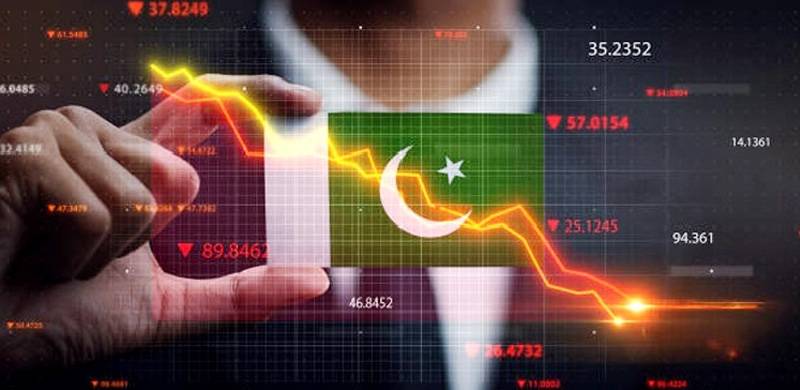
پاکستان تباہی کے دھانے پر


پاکستان کے حالات ابتر ہو چکے ہیں۔ پچھلے ایک سال سے، تقریباً ہر مہینہ اپنے ساتھ پیشگوئی کا احساس لے کر آیا ہے۔ یہ، بہت سے پاکستانی معمول کے مطابق اپنے آپ کوتسلی کے لیے کہتےنظر آتے ہیں، یقیناً یہ سب سے کم اور بدترین نقطہ ہے۔
 اس تباہی کے راستہ پر کس کس نے ڈالا ؟ کون، کیسے نکال سکتا ہے ؟ یہ کوئی راکٹ سائنس نہیں, پڑھتے جائیں ...
بنیادی اشیا کی معمول سے دگنی سے زیادہ قیمت ادا کرنے کے لیے، وہ متبادل نقل و حمل کے آپشنز، کم خوراک، سستا کھانا، سب سے سستا کھانا خرید کر پیٹرول کے ہر قطرے کو راشن دیتے ہیں - لیکن کچھ بھی کام نہیں ہوتا۔ مسلسل سیاسی عدم استحکام، ایک کے بعد ایک حکومت، فوجی مداخلت کے مسلسل خطرے اور عمومی غیر یقینی صورتحال نے اس صورت حال میں کوئی مدد نہیں کی۔ >>>>

Declining Political Role of Religion in the life of people now مذہبیت ، سیکولر ازم اور ترقی

Long shadow of the Enlightenment:

IN a recent survey, more people in the UK ticked the ‘none of the above’ box when asked about their faith than those who chose a belief from all those mentioned. For the first time, more Britons declared themselves to be non-believers than those who asserted their belief in Christianity. This is a significant shift in a country whose official faith is identified with the Church of England. Keep readinng >>>>>

برطانیہ میں کیے گئے ایک حالیہ سروے میں عوام نے دیے گئے تمام آپشنز کو مسترد کرتے ہوئے ''ان میں سے کوئی نہیں ‘‘ کے آپشن پر نشان لگایا۔ اُن سے پوچھا گیا سوال یہ تھا کہ وہ جس عقیدے پر ایمان رکھتے ہیں، اُسے مارک کریں۔ شاید تاریخ میں پہلی مرتبہ ایسا ہوا تھا کہ برطانوی افراد نے خو دکو مسیحی پیروکار ہونے کی بجائے ''بے دین ‘‘ قرار دیا تھا۔ یہ ایک ایسے ملک میں ہونے والی بہت بڑی پیش رفت ہے جس کے سرکاری مذہب کو چرچ آف انگلینڈ کے ساتھ وابستہ کیا گیا تھا۔ 
باعمل عیسائیوں کی تعداد میں کمی کا اظہار اتوار کو ملک بھر کے چرچوں میں خالی نشستوں سے بھی ہوتا ہے ۔ اورچرچ سروس میں شریک ہونے کے لیے آنے والے افراد بھی کسی مذہبی جذبے سے سرشار نہیں ہوتے، وہ محض ایک سماجی رسم نبھانے کے لیے چلے آتے ہیں۔ یہ درست ہے کہ ابھی تک شادیاں ، بچوں کا بپتسمہ اورمرحومین کے جنازے چرچ میں ہی ہوتے ہیں، لیکن یہ بھی حقیقت ہے کہ زیادہ تر پیدا ہونے والے بچوں کے والدین شادی شدہ نہیں ہوتے ۔نیز بہت سے جوڑے مذہبی رسومات کی بجائے سول میرج کو ترجیح دیتے ہیں۔ زیادہ تر جوڑے عمر بھر شادی کے بغیر ساتھ رہتے ہیں اور ''علیحدگی ‘‘ کی صورت میں اُن کے بھی وہی حقوق ہوتے ہیں جو روایتی طو رپر شادی شدہ جوڑوں کے ۔ 
اس سے یہ حقیقت واضح ہوتی ہے کہ برطانیہ بھی مذہب کے دور کو چھوڑ کر آگے بڑھ رہا ہے ۔ یہاں مذہب کا افراد کی روز مرہ 
کی زندگی یا اجتماعی مکالمے میں کوئی کردار نہیں رہا۔ اور یہ تبدیلی صرف برطانیہ میں ہی نہیں، مغربی یورپ اور سکینڈے نیویا کے بہت سے ممالک میں دکھائی دیتی ہے ۔ ایک سروے کے مطابق سویڈن میں، جس میں مسیحی افراد کل آبادی کا 80 فیصد ہیں، صرف 16.5 فیصد افراد نے کہا کہ اُن کی زندگی میں مذہب کا کچھ کردار ہے ۔ فن لینڈ، ناروے اور ڈنمارک میں ہونے والے سروے بھی ایسے ہی نتائج کے حامل ہیں۔ آسٹریلیا، نیوزی لینڈ اور برطانیہ جیسے ممالک میں یکساں رجحان دکھائی دیتا ہے ۔ یہاں نوجوان نسل کی ایک بڑی تعداد خود کو لادین قرار دیتی ہے ۔ تاہم مذہب سے دوری اور چرچ حاضری میں نمایاں کمی کے باوجود ان ممالک میں قانون کا نظام درہم برہم نہیں ہوا ، اور نہ ہی شخصی یا عوامی اخلاقیات میں کوئی کمی دیکھنے میں آئی ۔ بلکہ یورپ کے کچھ ممالک میں حالیہ برسوں میں جرائم اور الکحل کے استعمال میں کمی کی رپورٹس ملی ہیں۔ مندرجہ بالا ممالک ٹرانسپرنسی انٹر نیشنل کی بدعنوان ممالک کی فہرست میں بہت نیچے اور انسانی خوشی کی فہرست میں بہت بلند درجے پر ہیں۔ اس میں حیرت کی کوئی بات نہیں کہ ان ممالک کا جی ڈی پی بہت بلند ہے ؛ چنانچہ ایک بات برملا کہی جاسکتی ہے کہ اس وقت سیکولر ریاستیں دنیا میں ترقی اور خوشحالی کے سفر میں سب سے آگے ہیں۔ 
دوسری طرف وہ ریاستیں ، جو خود کو کسی نہ کسی عقیدے سے وابستہ قرار دیتی ہیں، اُن کا عالمی ترقی میں کوئی درجہ یا کردار نہیں۔ یہ ریاستیں خواہ مسلم ہوں یا ہندو، بدھ یا دیگر انتہا پسندانہ سوچ رکھنے والی، زیادہ تر پسماندہ، غریب ، جاہل اور کثیر آبادی رکھنے والی ہوںگی۔ گزشتہ چند عشروں کے دوران کچھ ایشیائی ریاستوں، جیسا کہ چین ، جاپان اور جنوبی کوریا نے بے پناہ ترقی کی ہے۔ ان میں کوئی ملک بھی متشدانہ نظریات کی آبیاری نہیں کرتا، جرائم کنٹرول میں ہیں اور عوام خوشحال۔ ان میں چین اعلانیہ طور پر خود کو ایک لادین ریاست قرار دیتا ہے ۔ اگرچہ تمام مذہب امن اورعدم تشدد کے داعی ہیں لیکن ستم ظریفی یہ ہے کہ ان مذاہب پر یقین رکھنے والے ان نظریات سے دور دکھائی دیتے ہیں۔ حتیٰ کہ بدھ مذہب کے پیروکار بھی،جنہیں انتہائی پرامن سمجھا جاتا ہے ، پرتشدد کارروائیوں میں ملو ث پائے گئے ہیں۔ سری لنکا میں ہونے والی ہولناک خاجہ جنگی کے دوران بدھ آرمی پر جنگی جرائم کے ارتکاب کا الزام لگا، میانمار میں بدھ راہب روہنگیاکے مسلمانوں کے خلاف وحشیانہ تحریک چلاتے دکھائی دیے، اورتھائی لینڈ کے جنوبی علاقوں میں بدھ فوج علیحدگی پسند مسلمانوں کے خلاف کم درجے کی خانہ جنگی میں مصروف ہے ۔ 
زیادہ تر مسلمان ریاستوں میں مسلمانوں کے ہاتھوں مسلمانوں کا قتل اتنا عام ہے کہ اسے دہرانے کی ضرورت نہیں۔ اگرچہ مسلمان اس بات کو دہراتے نہیں تھکتے کہ اسلام امن کا مذہب ہے لیکن دیگر دنیا اس بات کو تسلیم نہیں کرتی۔ شدت پسندانہ نظریات نے ہی القاعدہ سے لے کر داعش جیسے دہشت گروہوں کو تحریک دی ہے ۔انڈیا میں شدت پسند ہندوقوم پرستی نے معاشرے کو اس طرح جکڑ لیا ہے جس سے گزشتہ کئی صدیوں سے ہندو معاشرہ ناآشنا تھا۔ اس سے پہلے ہندو مذہب ، جو کئی ایک دیوتائوں پر یقین رکھتا ہے ، اپنے عقیدے پر سمجھوتہ کیے بغیر دیگر مذاہب کے لیے لچک رکھتا تھا ، لیکن آج ہندوتوا پر اس بات کا اطلاق نہیں ہوتا۔ آج اس عقیدے پر یقین رکھنے والے لاکھوں پیروکار شدت پسند جنگجو بن کر سامنے آرہے ہیں۔ 
یہ مثالیں سامنے رکھتے ہوئے کیا یہ سوال نہیں پیدا ہوتا کہ آخر سیکولرازم میں کیا حرج ہے ؟کیا مذہب کے نام پر جنونیت سے بھری دنیا میں یہی ایک جائے مفرباقی نہیں بچی؟مختلف نظریات کے ادغام سے وجود میں آنے والی 18ویں صدی کی روشن خیالی ایک سیکولر تصور کی بات کرتی تھی کہ انتہا پسند انہ چرچ کو ریاست سے الگ کردیا جائے ۔ 1789 ء کا امریکی دستور سیکولر ازم کا پہلا رہنما اصول تھا۔ اس کے بعد بہت سی جمہوری ریاستوں نے اس اصول کی اس طرح پیروی کی کہ مذہب کو عوامی زندگی میں کردار ادا کرنے سے روک دیا۔ اس کے نتیجے میں وہ ترقی یافتہ اور خوشحال ہوگئیں۔ آج دنیا ان کی ترقی کو رشک بھری نگاہ سے دیکھتی ہے ۔ ترقی پذیر دنیا میں اسی دوران ایک اور رجحان ابھرا۔ نوآبادیاتی دور اور دوسری جنگ ِ عظیم کے خاتمے کے بعد، جب مغربی طاقتیں واپس چلی گئیں تو آزاد ہونے والی ریاستوں میں جو اشرافیہ اقتدار میں آئی، وہ سیکولر ہی تھی لیکن اس کی بدعنوانی اور ناقص گورننس کی وجہ سے ایک خلا پیدا ہوا اور مذہبی جماعتوں کو اس میں پائوں جمائے کا موقع مل گیا۔ چنانچہ ان ریاستوں میں جیسے جیسے سیکولرازم دم توڑتا گیا، مذہبی انتہا پسندی اپنی جگہ بناتی گئی۔ ان معاشروں میں سیکولر ازم سے نفرت اتنی بڑھی کہ جدید تعلیم ، جدید ریاست کے تصورات اور سائنس اور منطق کو بھی لادینی علم قرار دے کر رد کردیا گیا۔ مختصر یہ کہ عقل اور روشن خیالی کو مغربیت اور رجعت پسندی کو مذہب کی پہچان مانا گیا۔ ہم نے اپنی آنکھوں سے دیکھا کہ ایسا کرنے والی ریاستیں ترقی کی شاہراہ پر چل نکلیں ، جبکہ مذہب کو ریاست کے ساتھ وابستہ کرنے والی ریاستیں بہت پیچھے رہ گئیں
Source: http://dunya.com.pk/index.php/author/irfan-hussain/2016-06-13/15783/66406580#tab2

Related:
~ ~ ~ ~ ~ ~ ~ ~ ~ ~ ~ ~ ~ ~ ~ ~ ~  ~ ~ ~  ~
Humanity, Religion, Culture, Science, Peace
 A Project of 
Peace Forum Network
Peace Forum Network Mags
Books, Articles, Blogs, Magazines,  Videos, Social Media
Overall 2 Million visits/hits

Pakistan corruption- Agenda 2015: Security and economy

Pakistan is at war with insurgent forces led by the Tehreek-e-Taliban Pakistan (TTP). The TTP’s war objective is to take over political control of the Islamic Republic of Pakistan. The TTP’s signature weapon is fear. The TTP’s military strategy is unconventional – fidayeen attacks, suicide attacks and bomb blasts. The TTP’s military goals are: to isolate Pakistan; to mutilate governance and then gain complete control over each and every kilometre of 796,095 sq kilometres we call Pakistan.
Insurgent force: The TTP is dependent on three factors – a geographical safe haven, a financial pipeline and supply of manpower.

Counter-insurgency: Pakistan Army’s XI Corps is the counter-insurgent force fighting to establish Pakistan’s writ over each and every kilometre of 796,095 sq kms we call Pakistan. XI Corps’ military objectives are: to disrupt, dismantle and destroy the TTP.

Counter-insurgency implementation: XI Corps is responsible for ‘clearing’ each and every TTP-held geographical safe haven. The federal government is responsible for shutting down the TTP’s financial pipeline. The federal government is responsible for cutting of the TTP’s supply of manpower. Counter-insurgency is, therefore, 33 percent military and 66 percent civil.

Economy: Economic power is one of the most critical elements of national power. Pakistan’s economic security depends on at least six factors: energy security, national debt, economic equality, human capital, industrial production growth and the right priorities.

Energy security: In 2015, Pakistan will lose around Rs700 billion of GDP because of power outages (that is the equivalent of our annual defence budget). In 2015, Pakistan will lose around Rs300 billion in line losses (that is the equivalent of what the entire army spends in a year). For the record, Pakistan’s installed capacity stands at 23,040MW but in 2015 Pakistan will produce an average of 11,000MW per day. To be certain, power outages are not because of lack of generation capacity but because of lack of governance.

National debt: On August 18, 2008, the day President Musharraf resigned, per capita debt stood at Rs40,000. On September 8, 2013, the day President Zardari resigned, per capita debt stood at Rs80,000 (we took on more debt in five years than we had done in the preceding 60 years). As of the last day of December 2014, per capita debt was recorded at Rs103,000. If the trend persists, per capita debt will cross Rs200,000 by 2018.

Economic inequality: Over the past 10 years, an estimated 90 percent of the wealth generated in Pakistan has gone into the coffers of the top two percent of the population. The income and asset gap between rich and poor continues to widen by the hour; the rich are getting richer, the poor poorer. The economy is getting more and more cartelised and the cartels are becoming more and more powerful – the power cartel, the oil cartel, the sugar cartel, the cement cartel, the banking cartel and the land mafia. One, there is an inverse link between income inequality and social cohesion. Two, crime rate and income inequality are correlated.

Human capital: Pakistan’s ranking in the Human Development Index is at 146th position out of 187 countries. India and Bangladesh are ranked at 135th and 142nd, respectively.

Industrial growth: Pakistan’s industrial growth rate peaked at 13 percent in 2004. In 2009, it turned negative and has since hovered around three percent.

Priorities: Rs260 billion for Hyderabad-Sukkur motorway. Rs44 billion for the Rawalpindi-Islamabad metrobus. Rs15 billion for Operation Zarb-e-Azb. Rs0 for the National Action Plan.

Conclusion 1: Counter-insurgency is a civil-military effort; 33 percent military and 66 percent civil. Conclusion 2: Economic security is the grossly neglected dimension of Pakistan’s national security. Conclusion 3: Pakistan’s energy security is a governance issue. Conclusion 4: Our economic priorities are all messed up.

By Furrukh Saleem
thenews.com.pk

Agenda 2015: Security and economy. Background:
The writer is a columnist based in Islamabad. Email: [email protected] Twitter: @saleemfarrukh

اسراءیل اور مسلمان ممالک Israel and Muslim countries

جس ملک کی قومی آمدنی کا جو حصہ سائنس کی ریسرچ اور ترقی پر خرچ کیاجارہا ہے‘ اس کی شرح دنیا میں سب سے زیادہ ہے۔ ہر دس لاکھ افراد میں سائنسی مطبوعات کے حوالے سے یہ ملک دنیا میں چوتھے نمبر پر ہے۔
اس کے ہر دس ہزار ملازمین میں ایک سو چالیس سائنس دان ہیں یا انجینئر۔ یہ تعداد دنیا میں سب سے زیادہ ہے۔
امریکہ میں یہ تعداد 85 اور جاپان میں 83ہے۔
ہفتہ روزہ 'نیوزویک‘ نے اس ملک کے ایک شہر کو ٹیکنالوجی کے اعتبار سے دس با اثر ترین شہروں میں شمار کیا ہے۔

اس کی سات یونیورسٹیاں صرف ریسرچ کے لیے مخصوص ہیں۔ پانچ یونیورسٹیاں دنیا کی ٹاپ کی پچاس یونیورسٹیوں میں شمار ہورہی ہیں۔
اس ملک کے نصف درجن سائنس دان کیمسٹری میں نوبیل انعام حاصل کر چکے ہیں۔

اقتصادیات اور دیگر شعبوں میں انعام اس کے علاوہ ہیں۔ صرف ملٹری کے حوالے سے دس ہائی ٹیک کمپنیاں رات دن کام کررہی ہیں۔
آئی ٹی، ٹیلی کمیونی کیشن، میڈیسن اور دوسرے شعبوں میں مصروف ہائی ٹیک کمپنیاں اس کے علاوہ ہیں۔

2012ء میں یہ ملک دنیا بھر میں دوسرا تعلیم یافتہ ترین ملک قرار دیاگیا ۔ تعلیم کے شعبے میں جتنی بھی سرمایہ کاری ہورہی ہے اس کا 78فیصد اس ملک کی حکومت مہیا کررہی ہے۔ 45فیصد لوگ کالج یا یونیورسٹی سے ڈگری یافتہ ہیں۔
یہ ملک عالم اسلام کا دشمن ہے۔ اس کی برتری کا بڑا سبب تعلیمی میدان میں اس کی محنت اور سنجیدگی ہے۔ اس کے مقابلے میں ہم مسلمان کہاں کھڑے ہیں؟
محمد اظھار الحق

Geo-Strategic importance of Pakistan


Pakistan is located at a region which has great political, economic and strategic location. It has been hub of activities of great powers for last 20 years. It has witnessed intervention of three great powers i-e Britain, USSR, and USA. Its significance was further enhanced during cold war when it becomes ally of US policy of containment of USSR and now the post cold war era has witnessed its significance particularly after the events of 9/11.

1- PAKISTAN GEOGRAPHICALLY LOCATION:

Location: Southern Asia lies between 24 and 36.75 northern latitude and between 61 and 7505 eastern longitude.
Area: 7, 96000 sq.km.

Towards north apart from the state of Kashmir is china. It shares 400 km long boarder with china. 
Towards north Tajikistan though no boarder but a narrow strip as Wahkhan strip separate the two. 
Towards east, Punjab-Rajasthan boarders which is 1650 km long
Towards west, Afghanistan and Durand line of 2250 km.
Towards south, Arabian and Indian sea. Coastal belt is about 700 km.

Pakistan significance is enhanced as it lies near the Persian Gulf where 65% of the world’s oil is produced.

2- STRATEGIC SIGNIFICANCE:

a) Proximity of great powers:

Pakistan is located at the junction of great powers. In its neighbor’s one world power Russia and the other emerging power china lies. Any alliance among world powers enhances its significance. This factor has been utilized by Pakistan after 9/11. Security and business are two main US interests in the region while Pakistan is playing a front line role in the war against terrorism. Apart from this US interest in the region to contain the growing china, nuclear Iran, terrorist Afghanistan and to benefit from the market of India. Today the political scenario of the region is tinged with preemption policy and US invasion of Iraq and Afghanistan. Iran’s nuclear program, India’s geopolitical muscles (new strategic deal with US) to gain hegemony and to counter the rise of china. Which has earned all the qualities to change unipoler world into bipolar world? In all these issues, Pakistan is directly or indirectly involved especially after al-Qeada operations. The American think tank has repeatedly accepted that war against terrorism could never be won without the help of Pakistan. Pakistan has rigorously fought and an ongoing operation in Waziristan is also targeting the suspected Taliban in the bordering area.

b) Gateway to central Asia-(oil and energy game):

Central Asia is the center stage of new Great games. Western quest for resources- oil and energy resources in the central Asia. After USSR decline, new quest started which is as manifested by politics of oil. Pakistan is located very close to the oil rich Middle Eastern countries. The belt started from Iran and extended to Saudi Arabia. Thus, Pakistan can influence shipment of oil. Iran is struggling to export its surplus gas and oil to eastern countries, Qatar, Pakistan and Turkmenistan pipeline projects highlight the position.
In the energy scarce world, Pakistan is located in the hub of energy rich countries i-e Iran and Afghanistan: both are energy abundant while India and china are lacking. China finds way to Indian Ocean and Arabian sea through Karakoram highway,

c) Significance as a Transit economy:

Pakistan has the potential to develop transit economy on account is its strategic location, land locked Afghanistan now at the phase of reconstruction finds its ways through Pakistan. China with its fastest economy growth rate of 9% us developing southern provinces because its own part is 4500 km away from Sinkiang but Gwader is 2500 km away. Moreover, Pakistan offers central Asian regions the shortest route of 2600 km as compared to Iran 4500 km or turkey 5000 km. gwader port with its deep waters attracts the trade ships of china, CAR and south east Asian countries., also the coastal belt of Balochistan can provide outlet to china’s western provinces to have access to middles eastern markets with the development of coastal highways and motorways.

d) Important link in the chain of Muslim countries:

If we look at the map of Muslim countries, Pakistan occupies a central location. Towards west of Iran, china extends to North Africa. Thus it can actively participate in the activities of Muslim world-economic development, transport of resources and above all combat terrorism.

e) Only Muslim country with nuclear capability:

in the region Pakistan is the only Muslim country having nuclear capability which has great influence on the political, socio-economic activities in the region and the maintenance of status quo in the region.

3- CONCLUSION:

Geo strategic means the importance of a country or a region as by virtue of its geographical location. Stephen Cohn describes this importance “while history has been unkind with Pakistan, its geography has been its greatest benefit.” 

Pakistan is a junction of south Asia, west Asia and central Asia; a way from resource efficient countries to resource deficient countries. The world is facing energy crises and terrorism. Pakistan is a route for transportation and a front line state against terrorism. Moreover Pakistan has been traditionally ally of emerging economic giant; china. So in the vague of any change in world politics, Pakistan’s geo-strategic significance would further be enhanced.

Source: http://defence.pk/threads/geo-strategic-significance-of-pakistan.269246/#ixzz3GcDa6p2r

Keep reading more: http://pakistan-posts.blogspot.com/p/love-pakistan.html

~ ~ ~ ~ ~ ~ ~ ~ ~ ~ ~ ~ ~ ~ ~ ~ ~  ~ ~ ~  ~
Humanity, Religion, Culture, Science, Peace
 A Project of 
Peace Forum Network
Peace Forum Network Mags
Books, Articles, Blogs, Magazines,  Videos, Social Media
Overall 2 Million visits/hits

Protocols of elders of Zion & Wild horse of Media .... سرکش گھوڑا

  • The document 'The Protocols of the Elders of Zion' "הפרוטוקולים של זקני ציון"  surfaced in the Russian Empire, and was first published in 1903. 
  • Book may be downloaded as:
  • Pdf:  http://www.trueczech.110mb.com
  • Book may be downloaded as html: click here >>>>>  Read article below:-
  • Zionism, Bible & Qura.. http://peace-forum.blogspot.com/2011/02/protocols-of-elders-of-zion.html
  • تقریباً ایک سو سترہ سال قبل پوری دنیا پر حکومت کرنے کا منصوبہ ان لوگوں کی نظر میں ایک خواب نہیں تھا بلکہ ایک حقیقت تھی‘ جسے ایک دن پورا ہونا تھا۔ ایک ہزار سال تک دنیا بھر میں در بدر رہنے والی اس قوم کے تین سو کے قریب دانشور، مفکر، فلسفی اور ان کے مذہبی پیشوا، جنہیں ''ربّی‘‘ کہا جاتا ہے‘ سوئٹزرلینڈ کے شہر ''بال‘‘ میں جمع ہوئے۔ ان دانشوروں کا ہدف صرف ایک تھا کہ اس دنیا پر محسوس اور غیر محسوس طریقے سے کیسے مکمل طور پر اختیار حاصل کرنا ہے۔ ان سب نے مل کر ایک حکمتِ عملی ترتیب دی جسے آج کی دنیا ''پروٹوکولز‘‘ ''Protocols of the Elders of Zion'' کے نام سے جانتی ہے۔ یہ ایک خفیہ دستاویز تھی جس کا ایک نسخہ خفیہ تنظیم فری میسن کی ایک اعلیٰ عہدیدار خاتون کے گھر سے چوری ہو گیا اور 1902ء میں اس کے کچھ حصے روس کے دو اخباروں نے شائع کر دیے۔ اس کے بعد 1905ء میں یہ کتابی شکل میں سامنے آ گئی۔ اس سے قبل 1903ء میں اس کتاب کے مختلف زبانوں میں ترجمے بھی ہو چکے تھے۔ جب یہ دستاویز منظر عام پر آئی تو عام طور پر لوگ اسے دیوانے کا خواب سمجھتے تھے۔ کچھ بڑے بڑے عیسائی پادری اسے عیسائیت کے خلاف ایک سازش بھی گردانتے تھے۔ آج تک ان پروٹوکولز کے بارے میں بحث جاری ہے۔ کوئی اسے یہودیوں کے خلاف ایک سازش قرار دیتا ہے کہ اس کو بنیاد بنا کر ان کا یورپ اور خصوصاً جرمنی میں قتل عام کیا گیا، کیونکہ جب جرمنی کا جمہوری رہنما ''ہٹلر‘‘ عوام کی واضح اکثریت سے جیت کر برسر اقتدار آیا تو 1933ء میں اس نے اس دستاویز کو جرمنی کے سکولوں میں پڑھانے کے لیے لازمی قرار دے دیا، لیکن اس سے مختلف ایک رائے یہ ہے کہ یہودیوں نے ایک ہزار سال کی در بدری سے تنگ آ کر اپنے دفاع کے لیے اکٹھے ہونے اور دنیا پر حکومت کرنے کے خواب دیکھے اور ان کی تعبیر ڈھونڈی۔ عموماًکہا جاتا ہے کہ یہ اجلاس 1896ء یا 1897ء میں منعقد ہوا تھا، جس میں دنیا پر محسوس اور غیر محسوس طریقے سے غلبے کا خواب یا حکمت عملی مرتب کی گئی تھی اور طے کیا گیا تھا کہ ایک سو سال کے اندر ہم نے اپنے ہدف کو پورا کر لینا ہے۔ آج کی دنیا یعنی سو سال بعد 1996ء یا 1997ء کی دنیا ہم سب کے سامنے ہے اور تھوڑی سی سمجھ بوجھ رکھنے والا شخص بھی کتنی آسانی سے اس بات کا اندازہ لگا سکتا ہے کہ آج پوری دنیا پر ایک غیر محسوس اور محسوس دونوں طریقے سے یہود کا قبضہ مکمل ہو چکا ہے۔ اس لیے وہ تصور کہ یہ دستاویز جعلی اور من گھڑت تھی اور اسے روس اور جرمنی کے یہود دشمن طبقات نے ان کے قتل عام کا بہانہ بنانے کے لیے تیار کیا تھا، اب دم توڑ چکا ہے اور آج کی دنیا اس بات پر تحقیق کر رہی ہے کہ یہ منصوبہ ساز ذہن کس بلا کے تھے اور انہوں نے ایک طویل مدتی حکمت عملی کو کیسے قابل عمل بنایا اور کس طرح اس پر عمل درآمد کیا۔ اس دستاویز میں کل چوبیس پروٹوکول ہیں۔ ہر ایک پروٹوکول ایک علیحدہ شعبے کے بارے میں علیحد ہ دستاویز ہے۔ پہلا پروٹوکول بنیادی نظریے کی وضاحت کرتا ہے اور دوسرا پروٹوکول اس حکمت عملی کی بنیادی تصویر (Outline) بتاتا ہے اور ان اداروں کا ذکر کرتا ہے جن کو ہاتھ میں لے کر دنیا کا اقتدار حاصل کرنا ہے۔ اس دوسرے پروٹوکول میں سب سے زیادہ ذکر پریس اور میڈیا کا ہے۔ اس کے الفاظ یہ ہیں: '' آج کے دور میں ریاستوں کے پاس ایک ایسی قوت ہے جو لوگوں کے ذہنوں میں خیالات پیدا کرتی اور انہیں آگے بڑھاتی ہے۔ یہ پریس کی قوت ہے۔ پریس کا اصل کردار یہ ہے کہ ناگزیر ضروریات کی نشاندہی کرتا ہے، عوام کی شکایات اور تکالیف کو سامنے لاتا ہے۔ یہ بے اطمینانی اور بے چینی کی فضا بھی پیدا کرتا ہے اور اس کی تشہیر بھی کرتا ہے۔ یہ پریس ہی تو ہے جس کے ذریعے آزادیٔ تقریر کا عملی اظہار ہوتا ہے۔ غیر یہودی ریاستیں چونکہ اس طاقتور حربے کے استعمال سے ناآشنا اور بے بہرہ ہیں، لہٰذا یہ طاقت کلی طور پر ہمارے ہاتھ آ چکی ہے۔ پریس کی وجہ سے ہم خود پسِ پردہ رہ کر غیر یہود عوام پر اثر انداز ہوتے ہیں۔ اسی کے ذریعے ہم سونے جیسی قیمتی دھات پر قابض ہوئے ہیں۔ یہ الگ بات ہے کہ اسے حاصل کرنے کے لیے خون اور آنسوئوں کے سمندر سے گزرنا پڑا ہے، اپنے بہت سے عزیزوں کی قربانی دی ہے، لیکن اس سے ہمیں بے بہا فائدہ بھی پہنچا ہے۔ یاد رکھیے کہ ہمارا ہر فرد ظلم و ستم کا نشانہ بنا ہے۔ خدا کی نظروں میں ہمارا ایک فرد ہزار غیر یہودی افراد کے برابر ہے‘‘۔

    میڈیا اور اس کے ذریعے دنیا کی تسخیر ایک ذریعہ ہے جسے پروٹوکول کے ابتدائیہ ہی میں تسلیم کر لیاگیا تھا۔ لیکن بارہواں پروٹوکول مکمل طور پر پریس کی طاقت اور قوت کے استعمال کے بارے میں تحریر کیا گیا ہے۔ یہاں اس باب میں درج اہم سطور دیکھیے اور حیران رہ جائیے کہ ایک صدی پہلے دیکھا جانے والا یہ خواب اب کیسے حقیقت بن چکا ہے: '' ہم میڈیا کے سرکش گھوڑے پر سوار ہو کر اس کی باگ کو اپنے قبضے میں رکھیں گے، ہم اپنے دشمنوں کے قبضے میں کوئی ایسا موثر اور طاقت ور اخبار نہیں رہنے دیں گے کہ وہ اپنی رائے کو موثر ڈھنگ سے لوگوں کو بتا سکیں اور نہ ہی ہم ان کو اس قابل چھوڑیں گے کہ ہماری نگاہوں سے گزرے بغیر کوئی خبر لوگوں تک پہنچ سکے۔ ہمارے قبضے میں ایسے اخبارات و رسائل ہوں گے جو مختلف گروہوں کی تائید و حمایت حاصل کریں گے۔ خواہ یہ جماعتیں جمہوریت کی علمبردار ہوں یا انقلاب کی داعی۔ حتیٰ کہ ہم ایسے اخبارات کی بھی سرپرستی کریں گے جو انتشار و بے راہ روی، جنسی و اخلاقی انارکی یہاں تک کہ ظالم و جابر حکومتوں اور ڈکٹیٹروں اور آمروں کا دفاع اور حمایت کرتے ہوں گے۔ ہم اس انداز اور اسلوب سے خبروں کو پیش کریں گے کہ قومیں اور حکومتیں ان کو قبول کرنے پر مجبور ہو جائیں گی۔ ہم یہودی ایسے دانشوروں، ایڈیٹروں اور نامہ نگاروں کی حوصلہ افزائی کریں گے جو بدکردار ہوں اور خطرناک مجرمانہ ریکارڈ رکھتے ہوں۔ ہم ذرائع ابلاغ کو خبر رساں ایجنسیوں کے ذریعے کنٹرول کریں گے۔ ہم دنیا کو جس رنگ کی تصویر دکھانا چاہیں گے وہ پوری دنیا کو دیکھنا ہو گی‘‘۔
    ان اہداف پر غور کریں اور پھر آج دنیا بھر کے میڈیا پر ایک نظر دوڑائیں تو آپ کو یہ بات سمجھنے میں زیادہ دیر نہیں لگے گی کہ یہ تمام اہداف حاصل ہو چکے ہیں۔ اس وقت دنیا کا 97 فیصد میڈیا تین بڑی کمپنیوں کی ملکیت ہے اور یہی میڈیا باقی چھوٹے چھوٹے میڈیا ہائوسز کا رخ متعین کرتا ہے۔ آج کا دور وہ زمانہ ہے کہ سیدالانبیاء ﷺ نے جس کے بارے میں خبر دی تھی، وہ دور کہ جس کے بارے میں آپ کے فرمان کے مطابق اسلام اجنبیت میں چلا جائے گا۔ صحیح مسلم کی اس حدیث حسن کے الفاظ یہ ہیں: حضرت عبداللہ ابن عمر نے نبی کریم ﷺ کا ارشاد نقل کرتے ہوئے فرمایا کہ '' اسلام کی ابتداء بھی اجنبیت کی حالت میں ہوئی تھی اور عنقریب دوبارہ اجنبیت کی حالت کی طرف لوٹے گا‘‘۔ یہ اجنبیت کیوں ہے؟ یہ بے نام و نشاں ڈیڑھ ارب سے زیادہ مسلمان کس لیے دربدر ہیں؟ اس لیے کہ آج کے دور کے سرکش گھوڑے کی لگامیں ان کے ہاتھ میں ہیں جو ہمیں روندنے کا عزم رکھتے تھے اور اسے پورا کر رہے ہیں۔ لیکن یہ ڈیڑھ ارب سے زیادہ بے نام و نشاں مسلمان اس سرکش گھوڑے کی ٹاپوں تلے مسلے جانے کے بعد بھی اسی گھوڑے سے توقع رکھتے ہیں، اسی سے گلہ کرتے ہیں، اسی کو کہتے ہیں کہ ہمارا سچ بھی دکھائو۔ ایسا نہیں ہو گا، ہرگز نہیں ہو گا۔ یا تو اس سرکش گھوڑے کی باگ اپنے ہاتھ میں لے لو یا پھر اس کے مقابل اپنا '' اسپ تازی‘‘ لے کر میدان میں نکلو۔
    Free-eBooks: http://goo.gl/2xpiv
    Peace-Forum Video Channel: http://goo.gl/GLh75

    Twelve Reasons of poverty in Pakistan


    At independence in 1947, Pakistan was a poor country. But it was richer than China, India and many other currently `emerging` economies. Today, Pakistan`s per capita is $1000 while China`s is $5000 and South Korea`s $15,000. One per cent of Pakistan`s population controls over half its wealth; the other 99pc struggles to survive on less than $500 annually.

    At this time, when hope has been revived that new leaders and policies may retrieve Pakistan from the poverty trap, it is relevant to recall the dozen reasons why our people are poorer today than at the country`s creation.

    First, population growth. 

    At Pakistan`s birth, the then West Pakistan had around 50 million people. Today, we number 200 million. The oooulationcontinues to grow at around 2.5pc. There is progressively less for more. The explosion can be moderated through incentives and disincentives.

    Second, inflation. 
    The state spends more than it earns. It orints money tomake up tl1e deficits, steadily devaluing the earnings and savings of the people.

    Thus, rupee parity against the dollar has declined by around 5pc on average each year. Until 1970, the rupee was 4:1 against the dollar. Today it is 100:1. If the dollar`s own deflation is taken into account, a Pakistani must earn over 50 times as many rupees as he did in 1947 to maintain the same living standard.

    Third, unemployment. 
    In 1947, 80pc of people lived off the land in rural areas. Today, with the pressures of population, urbanisation and the failure of industrialisation, effective unemployment and under-employment afflicts almost half of Pakistan`s working age population. This can only be redressed by rapid industrialisation, investment and skill creation.

    Fourth, ignorance. 
    In any event, almost 25pc of our people are presently unemployable in anything except physical labour due to the progressive collapse of Pakistan`s education system.

    Literacy is defined as being able to read and write one`s name. By any objective standard, Pakistan`s real literacy rate is around 50pc. Massive and well directed investment is needed to promote universal and quality education.

    Fifth, inequality. 
    Pakistanis were bornin a state of feudal inequality in the rural regions. Feudalism has since spread to business, industry and bureaucracy. The gap between rich and poor has grown exponentially. Pakistan`s elite the 1pc lives high off the hog, while the vast majority slides steadily down towards the poverty precipice.

    Sixth, wars. 
    Locked since inception in mutual hostility with its larger eastern neighbour, Pakistan`s financial and intellectual capital has been heavily deployed to the defence of its borders.

    Three wars with India; a never-ending arms race, and involvement in America`s wars in Afghanistan, has drained Pakistan`s limited resources and attention away from economic and social development. Pakistan needs to find strategic and diplomatic ways to lower the burden of deterring India. Its nuclear weapons capability should help achieve this.

    Seventh, extremism. 
    Since 1977, Pakistan has become a virtual captive tothe forces of religious and associated extremism. Their street power and misguided use by some Pakistani leaders and agencies to promote external and internal objectives has transformed Pakistan`s environment of tolerance into one of fanaticism and violence. They cannot be allowed to hold the country`s progress hostage.

    Eighth, insecurity. 
    The combination of organised crime, religious bigotry, violent extremism and political opportunism has resulted in the current state of insecurity in many cities and regions.

    The global perception of Pakistan`s security environment is even worse than the reality. No significant foreign or domestic investment or development can take place until the security challenge is addressed. Confusion, vacillation and fear are the government`s worst enemies.

    Ninth, emigration and immigration.

    The composition of Pakistan`s population has changed significantly since independence. Many among the educated and skilled have left. These include members of religious minorities and those who were transformed into minorities. On the other hand, Pakistan has been inundated by millions of tribal Afghans. Despite pockets of brilliance, as an entity, Pakistan today is intellectu-ally, culturally and financially a more backward place than 60 years ago.

    Tenth, disinvestment. 
    The country is poor because the state is poor. As the country spends more than its revenues so do the people. Savings are not smart if these are going to be eroded by inflation.

    Without national or personal savings, investment in infrastructure, education, industry, small and medium enterprises has not been forthcoming from the public or private sector. Pakistan has had to depend on external assistance and loans to fund development, which remains inadequate to meet the needs of its population.

    Eleventh, globalisation. 
    Unfortunately, Pakistan was persuaded by the Washington Consensus that trade and financial liberalisation was good for all.

    It unilaterally dismantled its protections.

    But it cannot produce most goods competitively. This, combined with the culture of consumerism, has led to Pakistan becoming an import destination ratherthan an export base. While the persistent trade deficits are partially offset by the remittances from poorer Pakistani emigrants, most of our governments have been obliged to carry the begging bowl to our rich friends, at times even tomeet our vital defence needs.

    Twelfth, bad governance. 
    Most of the 11 previous shortcomings originate from bad governance. With some outstanding exceptions, Pakistan has a record of bad or no policies and even worse of execution. This is largely due to the decline and eventual collapse of Pakistan`s bureaucracy and the accompanying erosion of rules and due process Personalised decision-making is now the norm; senior bureaucrats act more as personal rather civil servants. From an occasional virus, corruption has become an endemic disease.

    Without professional and competent people to formulate and execute sound policies in various areas, Pakistan will be unable to overcome its imposing array of challenges.

    The challenge posed by the poverty dozen cannot be addressed piecemeal. It requires a comprehensive policy designed to transform Pakistan into a modern, peaceful and prosperous country. Patriotic Pakistanis should demand such a policy and contribute to its formulation and implementation. They cannot give in to the dark side. • The writer is a former Pakistan ambassador to the UN.
    By Munir Akran: http://epaper.dawn.com/DetailImage.php?StoryImage=24_11_2013_009_006

    کھلا خط پاکستان کے نام:
    پاکستان کی ترقی ، خوشحالی اور امن کے لییے کچھ بنیادی معاملات طے کرنا ضروری ھیں. اس وقت پاکستانی سوسائٹی فکری طورپرتین بڑے حصوں تقسیم ہو چکا ہے : ایک طرف  "اشرافیہ , لبرل طبقہ"   دوسری طرف "خاموش اکثریت" ؛ تیسری طرف "مذہبی  شدت پسند دہشت گرد اور ان کے ہمدرد". ایسے حالات میں ضروری ہے کہ کنفیوژن کو دور کیا جائے تاکہ اکثریت ایک نقطہ نظر پر متفق ہو  جائے. اور پھر تمام توانایوں کو مرکوز کرکہ عظیم مقاصد ، امن . خوشحالی . ترقی کی طرف رواں دواں ہوں. اگر ہم کچھ بنیادی سوالات کا جواب موجودہ تناظرمیں قرآن سنت کی  روشنی میں معلوم کر لیں. ان پر قومی مباحثہ ہو جس میں میڈیا ، دانشور ، مذہبی سکالرز علماء ، سیاسی مفکرین ، سول سوسائٹی ، فوجی ماہرین ،  قانون ، خارجہ امور کے ماہرین اور تمام دوسرے متعلقہ ماہرین  اور عوام حصہ لیں . پھر جس پر سب یا اکثریت متفق ہو ان پر پھر ڈٹ کرعمل کریں تو پاکستان ایک ترقی یافتہ باعزت ملک، قوم  بن سکتا ہے. بنیادی مکالمہ کےسوال درج ذیل ہیں ....
    http://pakistan-posts.blogspot.com/2013/11/pakistan-basic-issues-need-immediate.html
    http://goo.gl/W8wiEN
    کھلا خط آپ کے نام، پاکستان کے لیے :
    Related:
    Free-eBooks: http://goo.gl/2xpiv
    Peace-Forum Video Channel: http://goo.gl/GLh75